 Real Renova property protection
North and northwest Houston response
Cypress, Spring, Tomball & Conroe Water Damage Restoration
For plumbing failures, AC overflows and storm-related water intrusion, Renova documents the affected materials and coordinates the property from emergency mitigation through repairs.
Local responseIICRC-certifiedComplete build-back
01Attic or AC overflow
02Pipe or fixture leak
03Storm or roof intrusion
04Drain or sewage backup
Water follows gravity and building pathways
An upstairs or attic loss may affect ceilings, walls and rooms below.
Water from an AC condensate line, plumbing connection or roof opening can travel through insulation and framing before it becomes visible. Renova checks the source area and the likely path below, documenting readings and photographs as the affected area is defined.
Explore water damage restoration →Common local calls
The source changes the restoration plan.
The water category, duration and affected materials determine safety controls, access and drying decisions.
AC condensate backups
Overflow above finished rooms may saturate insulation, ceiling drywall and nearby wall assemblies.
Plumbing supply failures
Pressurized lines can release water quickly across multiple rooms and levels.
Storm and roof leaks
Interior drying follows exterior source control and a documented material assessment.
Appliance and water-heater losses
Utility areas can affect adjoining flooring, baseboards, cabinets and wall cavities.
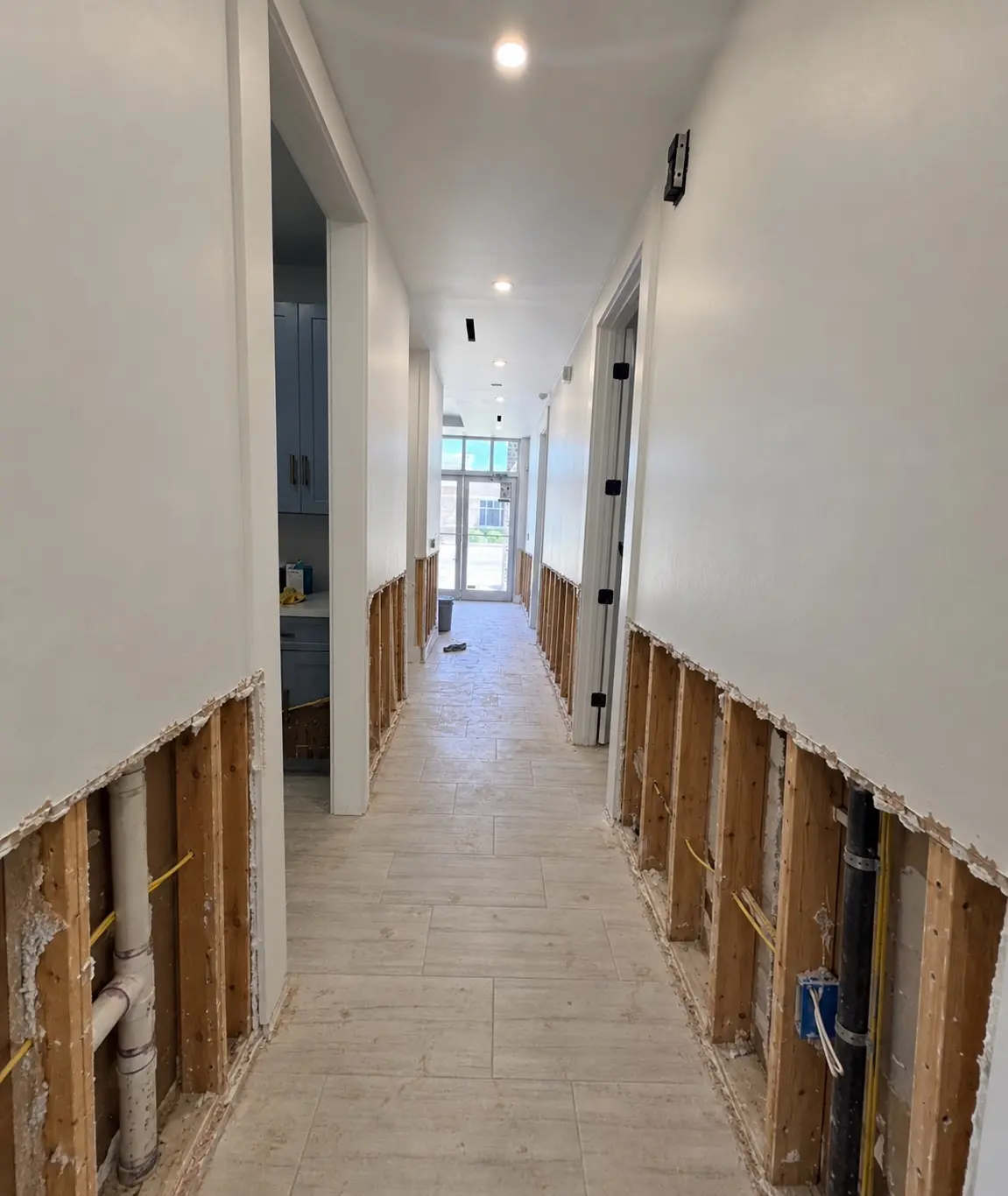
 Selective wall access
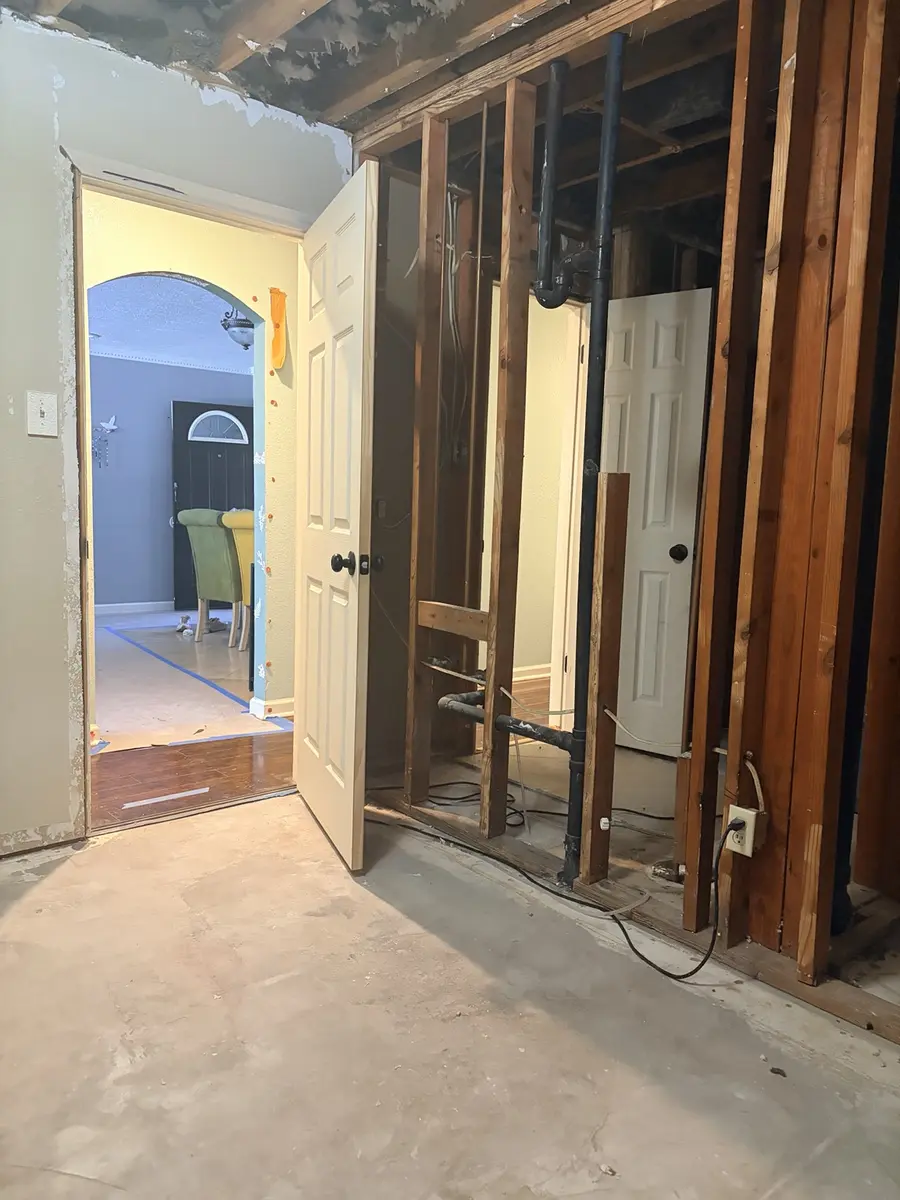
Access only where needed
Drying requires a path for moisture to leave the assembly.
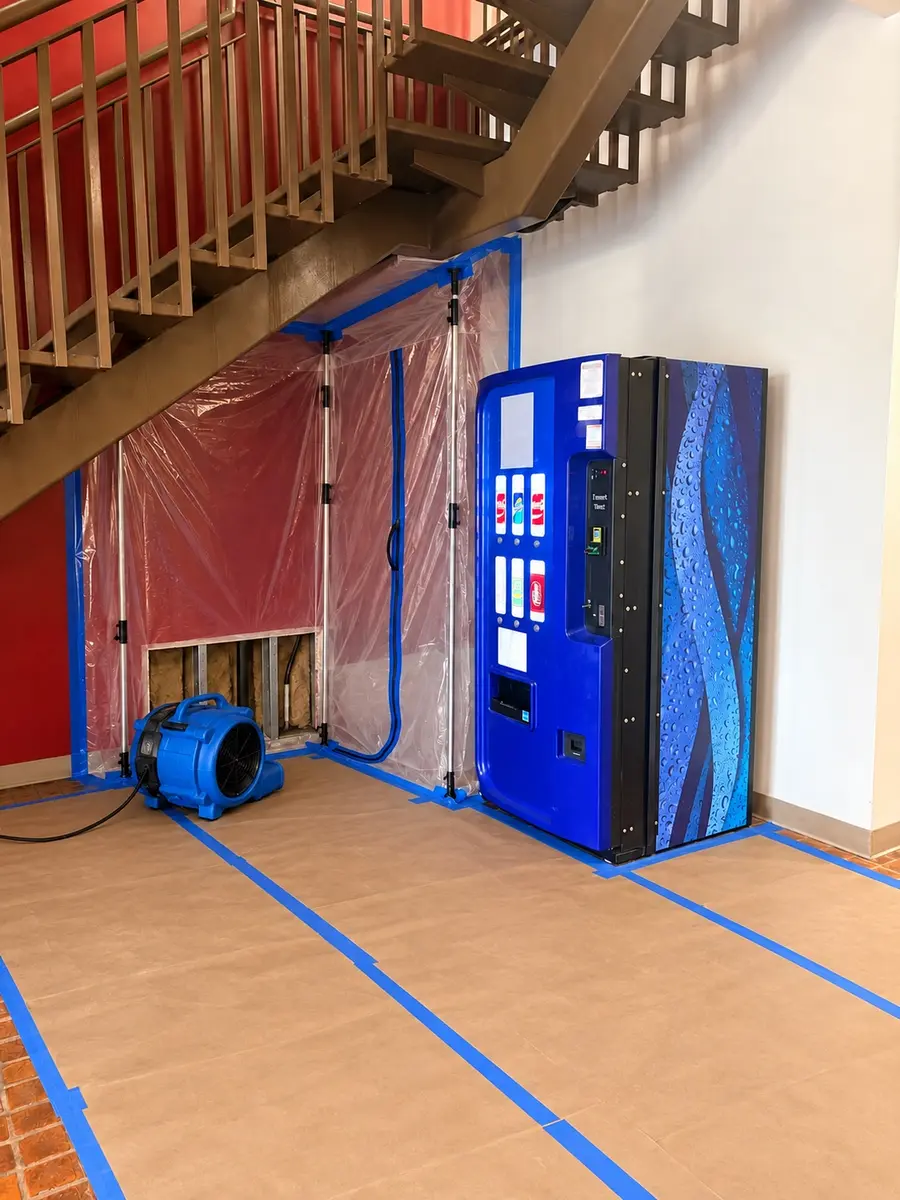
When insulation, wall cavities or multilayer materials remain wet, limited access or controlled removal may be necessary. Renova explains what can remain, what needs access and what cannot be dried safely in place.
Moisture readingsThermal investigationSelective removalContained work areas
See structural drying →Professional drying
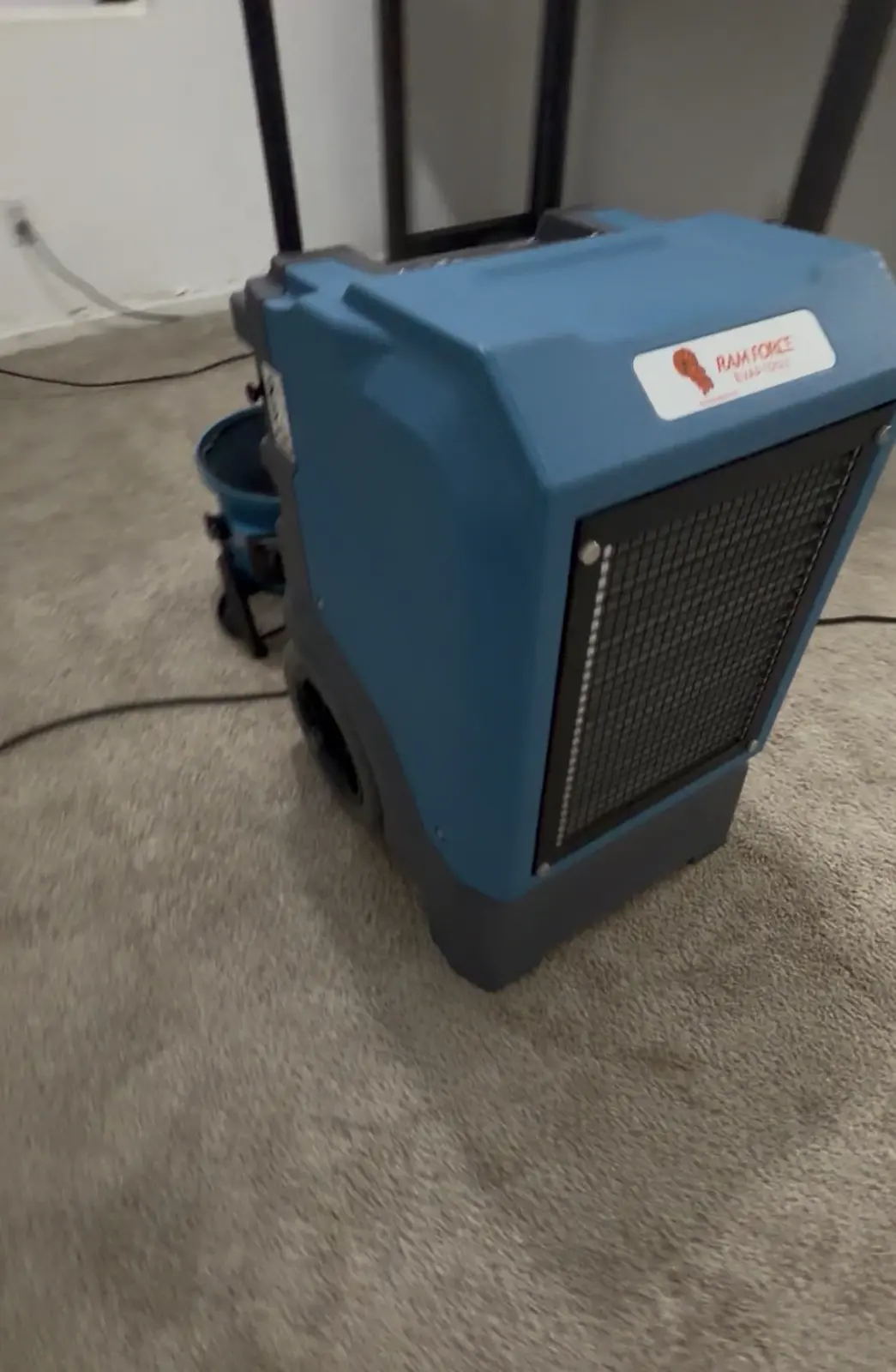
Air movement and dehumidification work together.
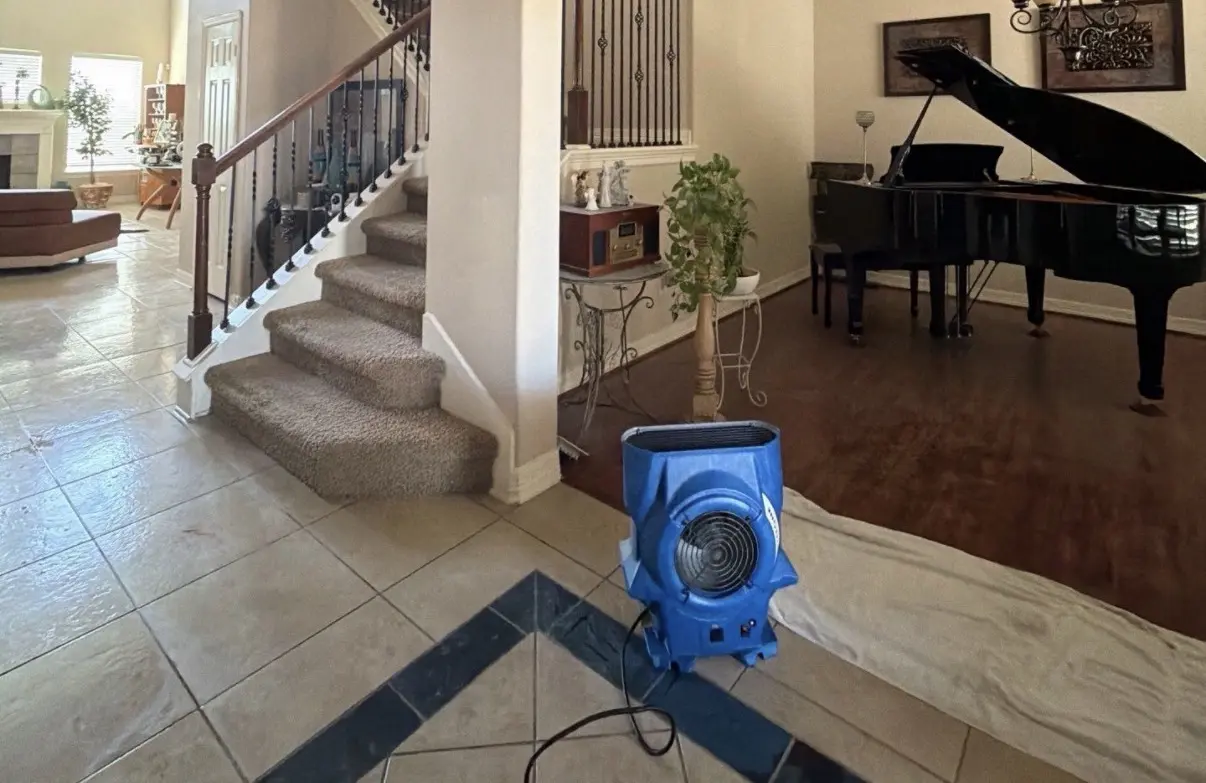
Equipment is placed for the affected materials and building layout. Progress is monitored with direct moisture readings so the setup can be adjusted and the drying phase can end based on conditions—not guesswork.
- 01
Set the drying goal
Use comparable dry materials and site conditions as guidance.
- 02
Place the equipment
Support evaporation and remove moisture from the air.
- 03
Monitor progress
Record readings and adjust the plan when conditions change.
Documentation throughout the loss
Photos, readings and scopes explain what happened next.
Renova records initial conditions, moisture checks, equipment placement and authorized work. Documentation supports communication with the property owner and can be shared for insurance review; the carrier determines policy coverage.
Complete build-back
One accountable team through finished repairs.
After mitigation and drying needs are clear, Renova can prepare a separate reconstruction scope for affected finishes.
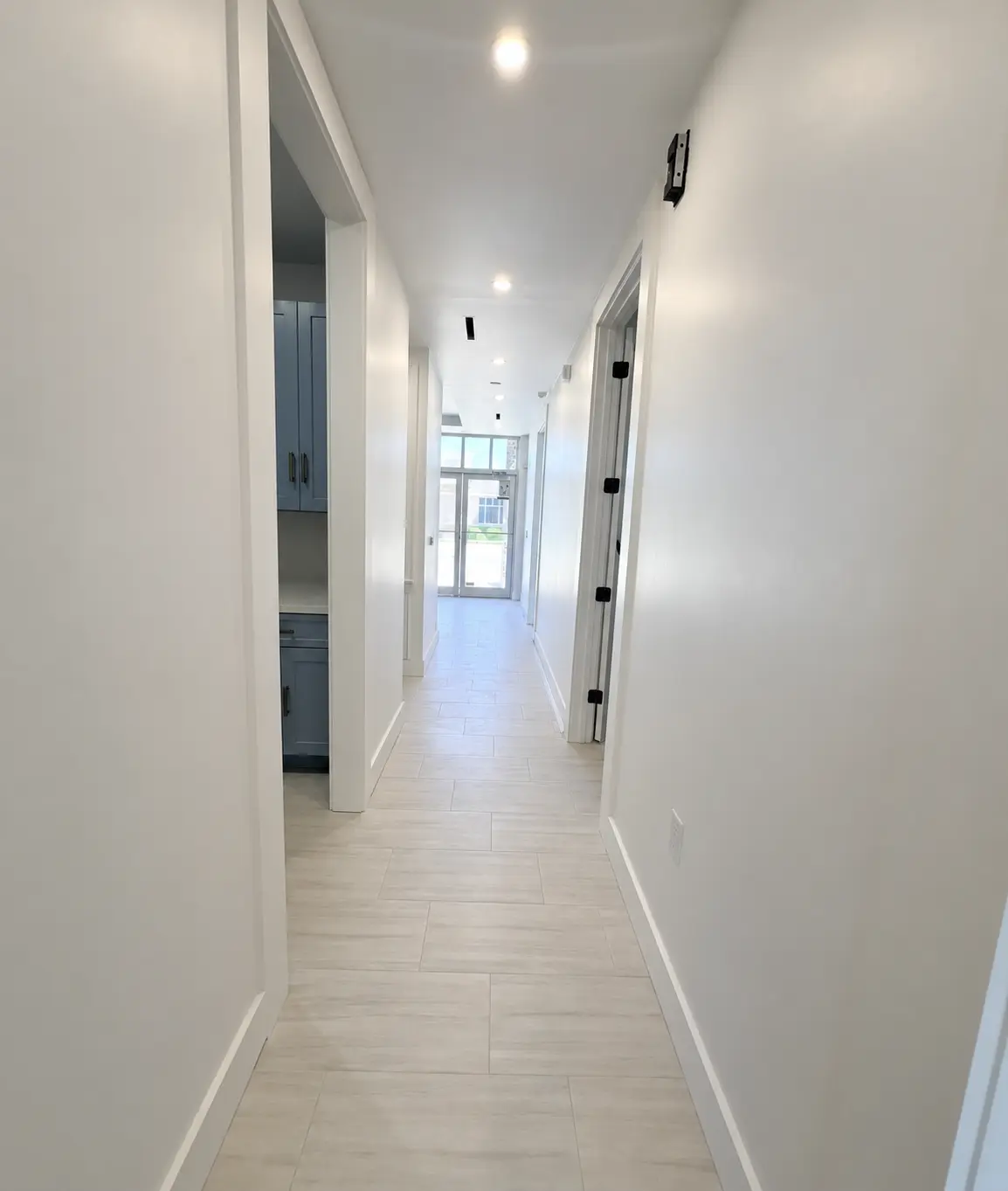
Repairs may include
Drywall and textureInterior paintFlooring and baseboardsTrim and doorsCabinetry and finishesExplore reconstructionNorth and northwest Houston area
Serving Cypress, Spring, Tomball, Conroe and nearby communities.
Share the property address and loss details. Renova will review them and follow up about response availability.
Request an inspectionCypressSpringTomballConroeNorthwest HoustonNorth HoustonGreater Houston service region
How quickly can Renova respond in Cypress, Spring, Tomball or Conroe?
Timing depends on the exact address, crew availability, traffic, weather, access and urgency. Call with the details for the clearest available response window.
Can an attic or AC leak affect rooms below?
Yes. Water can travel through insulation, framing and wall or ceiling assemblies before appearing in a finished room. The source area and likely path should both be assessed.
Should wet insulation be removed?
The water source, material type, duration, contamination and ability to dry the assembly determine the plan. Renova explains whether access, removal or monitored drying is appropriate.
Can Renova help with storm-related interior water damage?
Yes. After the exterior source is controlled, Renova can assess and document affected interior materials, perform authorized mitigation and coordinate drying and repairs.
Does Renova rebuild after drying?
Yes. Renova can prepare a separate repair scope for drywall, paint, flooring, trim, cabinetry and other affected finishes.
24/7 local response
Water from above can keep spreading below.
Call Renova for water damage help across Cypress, Spring and Tomball.